


Lead Inspections
Schedule a Lead Inspection with ADP Inspections, Inc. of Frederick MD today!
All homes built prior to January 1, 1978 need to be tested for the presence of lead in rental properties. It wasn’t until 1978 that federal government banned lead-based paint from use in housing.
According to Maryland COMAR Regulation 26.16.02.02: “Lead-contaminated dust” means dust with a lead content equal to or greater than:
- (a) 10 micrograms per square foot in dust collected from a floor;
- (b) 100 micrograms per square foot in dust collected from a window sill; or
- (c) 100 micrograms per square foot in dust collected from a window well.
Lead can also be found in drinking water. Please refer to our Water Testing
page for information on lead in water.
We are licensed by the Maryland Department of the Environment. Our license can be verified by selecting the link above. We are also fully insured to provide this service
When is a Lead Inspection needed?
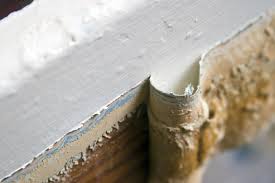 A Lead Inspection is required of all Maryland Rental Properties, if applicable due to the age of the property, and must be completed at each rental turnover. If the property has been deemed Limited Lead Free, an inspection must take place every two years regardless of turnover or occupancy. The property must be registered with the MDE and inspected if it was built before January 1, 1978.
Information for Rental Owners
If the property is located in Baltimore County, a Baltimore Rental Inspection must also be completed. Please see our Baltimore County Rental Inspections page for more information.
If you are a tenant, renting property in Maryland, find out the age of the property and then ensure that the property has been tested as required by Maryland Regulations. Infants, children under 6 years of age, pregnant women are at the highest risk for lead poisoning. Properly inspected properties are required to display either a Maryland 330 Form or a Lead Free Certificate.
Information for Tenant
What is a Lead Inspection?
A Visual Inspection is performed to detect the presence of chipping and/or peeling paint, painted surfaces in both the interior and exterior of the home. This includes all painted surfaces, as defined below in the How to Prepare for a Lead Inspection.
All painted surfaces must be a smooth, cleanable surface to pass a Visual Inspection. Once this initial step of the inspection is completed, a Dust Wipe Inspection is performed. Selected surfaces are swiped with a sealed sterile wipe. The number of swipes included in the Dust Wipe Inspection varies by the number of windows and rooms in the property.
Once the Dust Wipe Inspection is completed, a third party lab will test the wipes for the presence of lead
How to Prepare for a Lead Inspection?
All painted surfaces, defined by the EPA as “all surfaces coated with paint, shellac, varnish, stain, coating, or even paint covered wallpaper”, must be a smooth, cleanable surface.
In order for the Lead Inspection to take place, which consists of both a Visual Inspection and a Dust Wipe Inspection, all painted surfaces must be intact, and clean, and the property as free from dust as possible. Carpeted surfaces will also be tested. The use of a vacuum with a HEPA filter is recommended. Additionally, all windows must be operable.
Please Contact Us page if you are interested in scheduling an inspection or have any questions about the Lead Inspection process.